
 Select Languange
 English
 Spanish
 Polish
 Japanese
 Italian
 French
Unlocking the Potential of Plastic Film Pelletizing Machines: Efficiency, Sustainability, and Profitability
In today’s plastic recycling landscape, plastic film pelletizing machines are at the forefront of turning post-consumer and post-industrial waste into valuable raw materials. From polyethylene (PE) film to polypropylene (PP) bags and stretch wrap, these machines efficiently process soft plastic waste into uniform, high-quality pellets—ready for reuse in manufacturing. Whether you’re a recycler, converter, or manufacturer, understanding the benefits and features of modern plastic film pelletizing equipment is key to maximizing return on investment.
What Is a Plastic Film Pelletizing Machine?
A plastic film pelletizing machine is a specialized system designed to process lightweight, flexible plastic film into reusable plastic pellets (granules). These machines are typically part of a larger plastic recycling line and include multiple stages such as:
Feeding and conveying system
Plastic film agglomeration or compaction
Extrusion and filtration
Pelletizing and cooling system
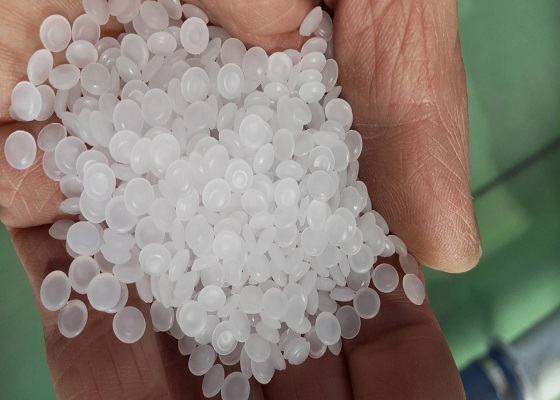
The end product is a uniform pellet that can be used in injection molding, blown film extrusion, pipe production, or other plastic manufacturing processes.
Why Recycle Plastic Film?
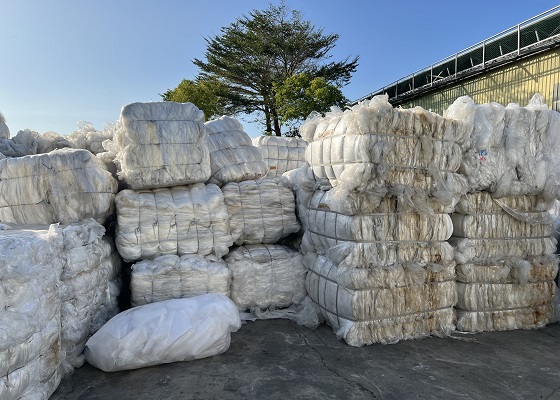
Plastic films are ubiquitous in daily life—used in packaging, agriculture, logistics, and beyond. However, their lightweight, thin structure makes them difficult to recycle through traditional means. Pelletizing provides a practical and profitable solution by:
Reducing landfill waste
Lowering raw material costs
Creating circular manufacturing loops
Meeting environmental regulations and ESG goals
By transforming plastic waste into reusable pellets, businesses can minimize environmental impact while gaining a competitive edge.
Key Features of Modern Pelletizing Machines
Today’s plastic film pelletizing machines are designed for efficiency, automation, and material versatility. Leading manufacturers integrate smart controls and modular systems to handle a wide range of film types. Key features include:
1. Compactor or Agglomerator Integration
Plastic film is typically lightweight and voluminous. A compactor or agglomerator helps densify the film before extrusion, ensuring smooth feeding and stable throughput.
2. Single-Screw or Twin-Screw Extrusion
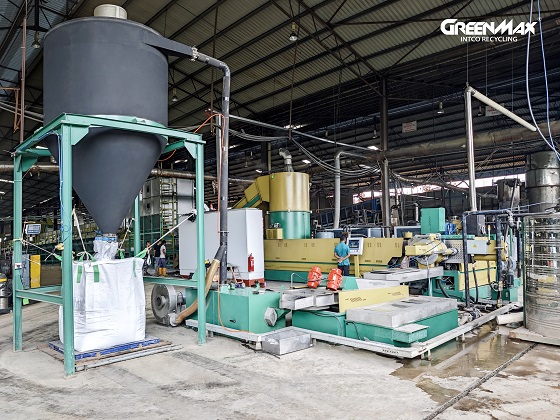
Depending on the application, pelletizing machines use either single-screw or twin-screw extruders. Twin-screw designs offer better mixing and are ideal for recycling films with ink, additives, or multi-layer structures.
3. Efficient Degassing and Filtration
Plastic film waste often contains moisture, ink, or volatile contaminants. High-performance degassing zones and melt filters ensure the resulting pellets are pure and odor-free.
4. Underwater or Strand Pelletizing Systems
Pellets are typically cut using underwater pelletizers or strand pelletizers. Underwater systems are preferred for high-capacity, continuous operations and deliver smooth, uniform pellets.
5. Intelligent Control Systems
Advanced PLC (programmable logic control) and HMI (human-machine interface) systems allow for precise temperature, pressure, and output control—resulting in consistent product quality with minimal operator input.
Applications of Recycled Film Pellets
The pellets produced from plastic film recycling are widely used across various industries, such as:
Plastic packaging film production
Trash bags and shopping bags
Plastic pipes and profiles
Injection-molded parts
Agricultural films and tarps
Recycled pellets can significantly lower production costs and reduce the reliance on virgin resin.
Choosing the Right Pelletizing Machine
When selecting a plastic film pelletizing machine, it’s important to evaluate:
Material type: LDPE, LLDPE, HDPE, PP, BOPP, etc.
Contamination level: Clean post-industrial waste vs. post-consumer waste
Output capacity: From 100 kg/h to 2000+ kg/h
Degree of automation
Energy consumption and maintenance costs
Collaborating with a reputable equipment supplier ensures the machine is tailored to your specific film types, volume, and quality requirements.
Future Trends: Automation and Sustainability
As environmental pressure grows and labor costs increase, future pelletizing systems are evolving toward fully automated, energy-efficient, and AI-powered platforms. Integrated monitoring systems will allow for predictive maintenance, real-time material analysis, and remote troubleshooting—resulting in higher productivity and lower operational risk.
Moreover, with rising interest in closed-loop recycling, plastic film pelletizing will play a central role in turning waste into high-quality recyclate for brand owners and manufacturers committed to sustainable packaging.
Conclusion
The plastic film pelletizing machine is no longer a niche solution—it is a core enabler of circular plastics. By investing in high-efficiency pelletizing systems, businesses can turn soft plastic waste into valuable resources, reduce carbon footprints, and meet the ever-growing demand for sustainable manufacturing. Whether you’re upgrading an existing recycling line or entering the plastic processing market, choosing the right pelletizing technology is the key to long-term success.