 Select Languange
 English
 Spanish
 Polish
 Japanese
 Italian
 French
Sohnen Enterprises Partners with GREENMAX to Recycle EPS Packaging Waste from Consumer Electronics
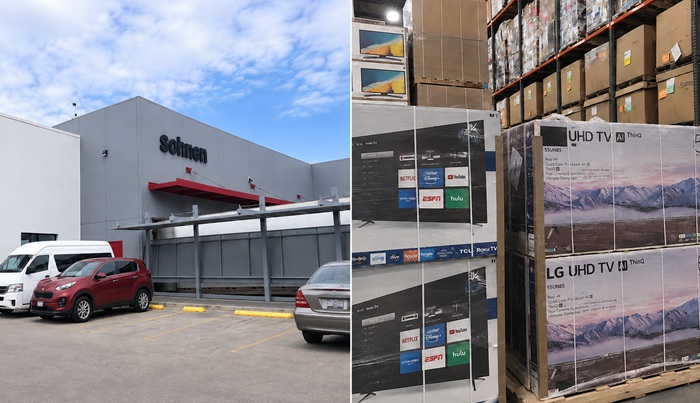
Founded in 1971, Sohnen Enterprises, Inc. is a major consumer electronics remanufacturer headquartered in Los Angeles, United States, with processing facilities in Tijuana, Mexico. The company handles returned products from large American retailers such as Walmart and Costco, including televisions, displays and other electronic equipment.
Returned products are first received at Sohnen’s US warehouse before being transferred to its facilities in Tijuana. Units in good condition are repackaged directly, while others undergo inspection and repair before returning to sale. During this process, the original EPS protective packaging is removed and replaced with Sohnen’s own packaging materials.
Managing growing volumes of EPS packaging waste
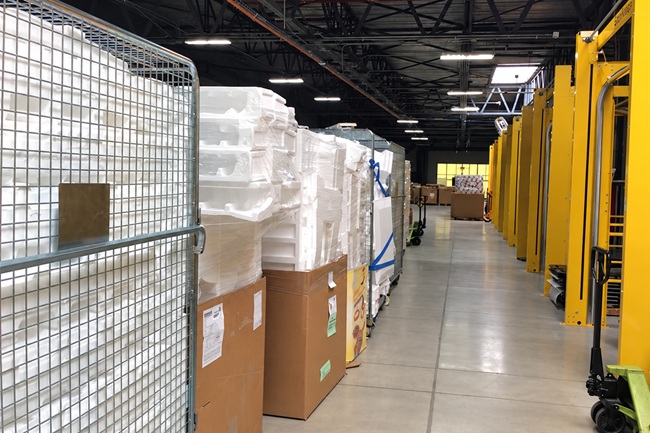
As operations expanded, Sohnen began generating approximately 10–15 tonnes of EPS packaging waste each month. At first, the loose material was sold to local recyclers at relatively low prices. Its bulky form also occupied valuable factory space and made storage and transport less efficient.
To improve polystyrene packaging recycling for electronics, Sohnen equipped a new facility with a GREENMAX M-C300 polystyrene recycling machine in 2017.
Sohnen now operates three facilities in Mexico. One of these was completed in July 2025 and primarily handles returned Walmart products, creating a particularly large stream of used EPS packaging. The other two facilities also produce EPS waste through their daily inspection, repair and repackaging work.
The GREENMAX system has supported the company’s TV packaging foam recycling operations for nearly a decade. By reducing loose packaging at the source, it eases pressure on factory storage and prepares the material for more economical transport and downstream recycling.
Why Sohnen selected the GREENMAX M-C300
After comparing several recycling systems, Sohnen began working with GREENMAX in September 2017. Equipment quality and after-sales support were important considerations. Another factor was GREENMAX’s ability to purchase the processed EPS and use it in recycled products such as picture frames and decorative mouldings.
This arrangement gave the material a clearer route beyond the factory. Instead of treating used packaging only as a disposal problem, Sohnen could densify it, store it in a manageable form and return it to a recycling chain. The program also supported the company’s broader environmental and ESG work.
Before confirming the project, Sohnen visited furniture retailer Living Spaces to see another GREENMAX machine operating under real production conditions. Based on Sohnen’s available floor space, waste volume and handling requirements, GREENMAX configured the M-C300 system for the Tijuana facility.
Reducing EPS volume by approximately 90:1
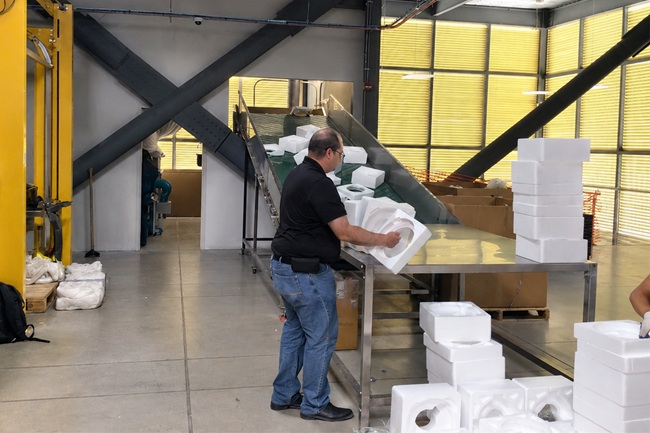
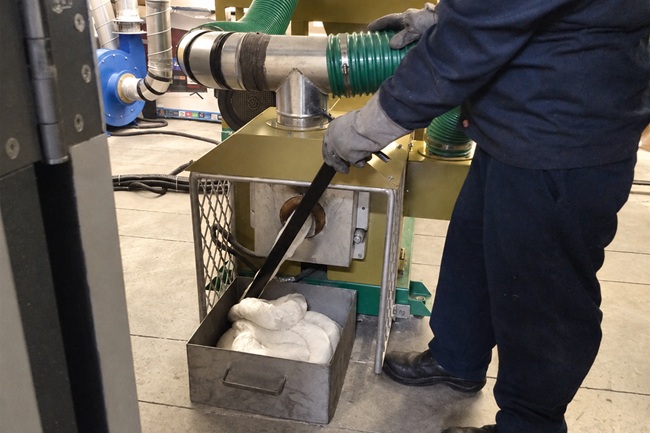
The M-C300 entered full operation in early 2018. Loose EPS packaging is shredded and heated before being formed into dense blocks. The process can reduce its volume at a ratio of approximately 90:1, making the material considerably easier to store, load and transport.
The complete system includes a conveyor, shredding chamber, storage silo, pneumatic conveying equipment and a GREENMAX MARS hot-melting polystyrene recycling machine M-C300 . This configuration allows EPS packaging to be processed continuously while limiting the need for constant manual handling.
The M-C300 can process around 300 kg of foam per hour. Approximately three tonnes of EPS can therefore be handled in about 10 hours without requiring additional labour. Its SILO storage system also supports a higher level of automation, so a worker does not need to remain beside the machine throughout the entire operating cycle.
Turning densified EPS into saleable material
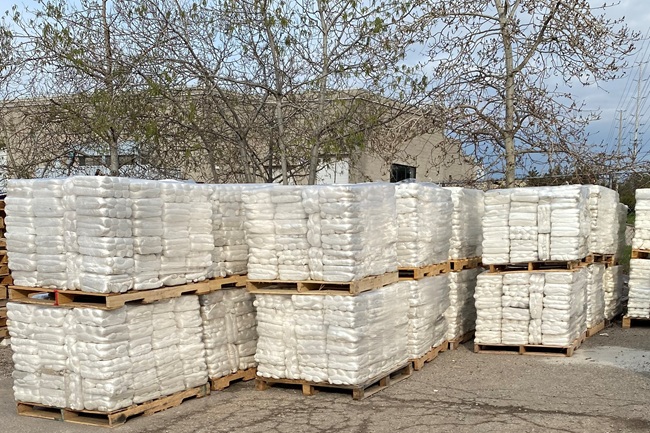
GREENMAX and Sohnen maintained their cooperation after the equipment was commissioned. Through the sell EPS blocks program, GREENMAX purchased approximately 140 tonnes of densified EPS from Sohnen in 2021. This represented around seven shipping containers and a total purchasing value of more than US$100,000.
The densified material was no longer simply factory waste requiring removal. It became a saleable recycling feedstock. By combining volume reduction with ongoing EPS block sales, Sohnen was able to recover the cost of its equipment investment.
Today, the company processes approximately 15–20 tonnes of EPS waste each month. Some of the densified blocks are also sold directly to recyclers in Mexico, giving Sohnen additional flexibility when arranging downstream outlets.
Keeping pace with growth in returned electronics
The value of the system became particularly clear as Sohnen’s workload increased. In 2025, the number of televisions received each month rose from around 20,000 units to 40,000 in April, reaching as many as 100,000 units in December.
More returned televisions meant more protective EPS packaging. The existing M-C300 allowed the additional material to be processed within the facility without a matching increase in labour or loose-waste storage. This helped Sohnen maintain a consistent approach to polystyrene packaging recycling for electronics during a period of rapid growth.
After almost a decade of use, the GREENMAX M-C300 remains in good operating condition. Regular maintenance by the Sohnen team has helped the machine continue processing large volumes of EPS with reliable output and limited manual involvement.
The following video was recorded during a GREENMAX service visit to Sohnen’s facility and shows the M-C300 polystyrene recycling machine operating under actual production conditions:
For electronics remanufacturers and other businesses generating EPS packaging every day, TV packaging foam recycling involves more than clearing loose waste from the factory floor. Processing the material at its source improves storage, reduces transport pressure and creates better conditions for downstream recovery.
Through the M-C300 system, long-term technical support and the purchase of densified material, GREENMAX has helped Sohnen establish a stable route from in-house EPS processing to subsequent recycling and reuse.