 Select Languange
 English
 Spanish
 Polish
 Japanese
 Italian
 French
Australia Targets EPS Packaging Waste: GREENMAX EPS Recycling Machine Solutions for Real EPS Recycling
In October 2025, the Australian Packaging Covenant Organisation (APCO) announced a new partnership with the Coalition for Sustainable Solutions (COFOSS) to tackle one of the most difficult packaging materials in the electronics and appliance sector: expanded polystyrene (EPS).
The partnership aims to phase out problematic business-to-consumer (B2C) EPS packaging formats and build circular systems that actually recover and recycle materials, in line with Australia’s National Plastics Plan 2021. This is a clear signal: if brands continue using EPS, they must be able to prove that effective EPS recycling is in place.
For companies in Australia and worldwide, this shift turns EPS recycling machines from a “nice to have” into critical infrastructure.
From Policy Pressure to Practical EPS Recycling
The APCO–COFOSS collaboration brings together:
APCO’s stewardship and circular design expertise across more than 2,400 member organisations in the packaging value chain.
COFOSS’s deep knowledge of electronics and appliance packaging, plus real data on EPS use and recovery in that sector.
Together, they will develop evidence-based recommendations for the design, governance and funding of circular systems for electronics packaging, focusing on reducing problematic materials and strengthening markets for recovered resources.
In practice, that means brands will be asked:
How much EPS do you still use?
How is it collected after use?
Which EPS recycling machine or technology do you rely on?
Where does the recycled EPS finally go?
Without a real, traceable EPS recycling solution, EPS packaging will not meet future expectations in markets like Australia.
Why an EPS Recycling Machine Is Essential
EPS is light, protective and widely used—but without compaction it is extremely inefficient to handle:
It is roughly 95–98% air.
Loose EPS is expensive to store and transport.
Many recyclers will only accept EPS if it is densified or compacted first.
A professional EPS recycling machine solves the logistics problem by:
1. Crushing and pre-processing EPS waste.
2. Compacting or hot-melting it into dense blocks or ingots.
3. Creating a stable, high-value feedstock that can be sold into recycling markets.
This is exactly the kind of practical, scalable solution that initiatives like APCO–COFOSS want to see when they talk about “circular systems” and “strengthening end markets for recovered materials”.
GREENMAX: EPS Recycling Machines Backed by a Full Take-Back System
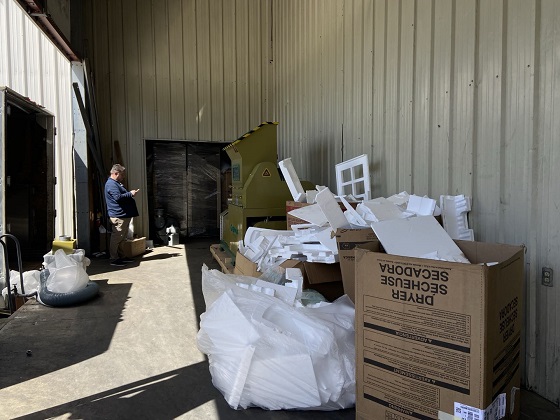
INTCO Recycling is a specialist in foam recycling and the company behind the GREENMAX brand. INTCO manufactures and sells EPS recycling machines (foam compactors and densifiers), buys back compressed EPS blocks and pellets, and uses them to produce finished goods such as picture frames and mouldings.
This “equipment + buy-back” model is particularly valuable for companies under policy pressure, because it gives them:
A clear downstream outlet for recycled EPS.
Auditable data on EPS recycling performance.
A way to turn waste into a revenue-generating secondary raw material.
Key GREENMAX EPS Recycling Machine Options
1. GREENMAX EPS Foam Compactor (Cold Compaction)
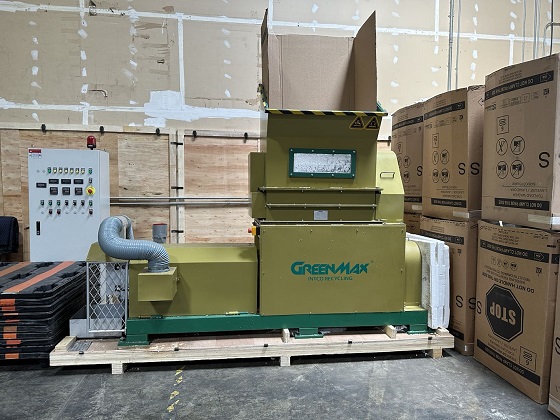
The GREENMAX EPS foam compactor (such as the APOLO series) is designed for on-site volume reduction of EPS, EPE and EPP:
Feeds and crushes loose EPS.
Uses cold compaction to compress foam into dense blocks.
Achieves up to about 90–95% volume reduction, dramatically cutting storage and transport costs.
Produces clean, stackable blocks that can be sold for EPS recycling.
This type of EPS recycling machine is ideal for:
Electronics and appliance warehouses generating B2C packaging waste.
Retail distribution centers.
Municipal collection points responding to national EPS phase-out roadmaps.
2. GREENMAX EPS Densifier / Hot Melting Machine (MARS Series)
For higher-density output, GREENMAX’s MARS series hot-melt densifiers shred and heat foam, then extrude it into solid ingots:
Combines shredding, melting and extrusion.
Can reach compression ratios around 90:1, converting large piles of foam into small, high-density ingots.
Produces a valuable material that is easier to ship long distances and highly attractive to downstream recyclers and manufacturers.
Hot-melt EPS recycling machines are a strong match for:
Large-scale EPS users (insulation, appliances, e-commerce logistics).
Centralized recycling hubs serving multiple facilities.
3. GREENMAX EPS Recycling System for Bead Recovery
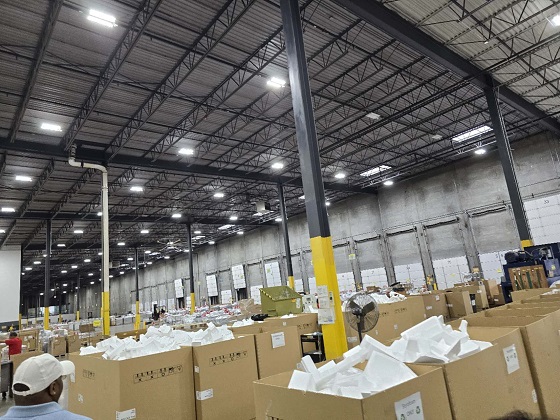
For EPS producers or high-volume recyclers, GREENMAX also offers an integrated EPS recycling system:
Breaks waste EPS into beads.
Separates reusable beads from non-reusable ones.
Allows mixing of recycled beads with virgin material to make new EPS products.
This is a direct response to circular economy expectations: instead of simply disposing of production scrap, manufacturers can close the loop internally.
How GREENMAX Supports Policy and EPR Compliance
The APCO–COFOSS partnership aims to reduce problematic B2C EPS formats while strengthening recycling markets and embedding shared responsibility across the packaging value chain.
A GREENMAX-based EPS recycling setup helps companies align with these goals by:
Demonstrating real recovery: you can show exactly how much EPS is compacted or melted and where it is sent.
Creating marketable recycled material: blocks and ingots have established buyers, including INTCO itself.
Supporting producer responsibility schemes: data from the EPS recycling machine can feed into EPR reporting and APCO membership obligations.
For brands selling into or operating in Australia, this is the type of “practical, evidence-based” solution that APCO and COFOSS are encouraging across the electronics and appliance sectors.
Typical Use Cases Under Emerging EPS Rules
1. Electronics & Appliance Brands
Collect EPS protective packaging from service centers, retailers and customers.
Use a GREENMAX EPS foam compactor or densifier to reduce volume on site.
Sell the compressed outputs to INTCO or other buyers, proving that B2C EPS waste is actually recycled.
2. Logistics and E-commerce Warehouses
Install an EPS recycling machine at central distribution hubs.
Capture all incoming EPS packaging before it enters mixed waste streams.
Report volumes recycled to meet internal sustainability targets and external packaging commitments.
3. Local Governments & Recycling Centers
Offer EPS drop-off at transfer stations or depots.
Compact collected EPS with a GREENMAX machine to create a consistent, high-value stream.
Strengthen local recycling markets by partnering with international buyers.
These models not only respond to Australia’s new direction on EPS packaging but can easily be replicated in Europe, North America and other regions moving toward stricter packaging regulations.
Getting Ready for the Next Phase of EPS Regulation
As initiatives like APCO’s Roadmap to Implement the National Phase Out of Business-to-Consumer EPS Packaging roll out, companies will increasingly be asked to show:
Where EPS is still necessary and cannot be easily substituted.
How remaining EPS is collected and processed.
Which EPS recycling machines and partners are in place to guarantee real recycling outcomes.
By investing in a GREENMAX EPS recycling machine and connecting to INTCO’s global recycling network, businesses can:
Cut disposal and transport costs.
Comply with tightening packaging and plastics policies.
Turn EPS from a compliance risk into a profitable, circular resource.
If your company uses EPS in packaging or insulation and you’re watching policy developments like APCO–COFOSS in Australia, now is the time to put a concrete EPS recycling plan in place—with the right EPS recycling machine at the center of it.