 Select Languange
 English
 Spanish
 Polish
 Japanese
 Italian
 French
The Importance of EPS Recycling for Sustainable Waste Management
As environmental concerns grow, businesses face increasing pressure to adopt sustainable practices. EPS recycling, the process of recycling expanded polystyrene (EPS), is a critical solution for effective waste management. EPS, commonly known as Styrofoam, is a lightweight material widely used in packaging and insulation. Its non-biodegradable nature makes proper disposal challenging, but EPS recycling, supported by advanced recycling machines, offers a way to reduce waste, conserve resources, and promote a circular economy.
Why EPS Recycling Is Essential
EPS is valued for its durability and insulation properties, but it poses significant environmental challenges when discarded. In landfills, EPS occupies substantial space and persists for centuries without decomposing. EPS recycling addresses this by transforming waste into reusable materials, reducing landfill use and environmental impact. By recycling EPS, businesses can lower their carbon footprint and contribute to sustainable waste management.
The EPS recycling process involves collecting, compacting, and transforming EPS into dense forms for reuse. Specialized recycling machines, like those provided by GreenMax, streamline this process by compacting EPS into manageable blocks. These machines enable businesses to handle large volumes of EPS efficiently, making recycling practical and aligning with global sustainability goals.
Benefits of EPS Recycling for Businesses
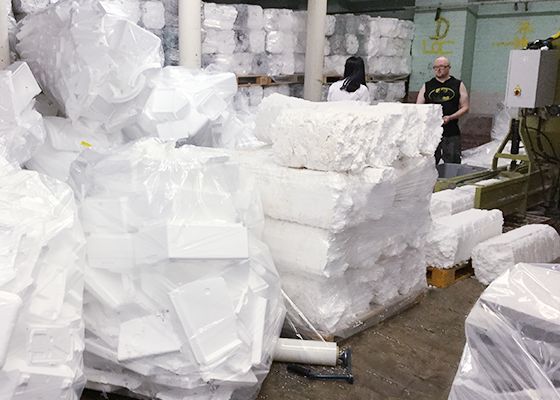
Implementing EPS recycling offers multiple advantages for companies. It enhances a business’s environmental reputation, appealing to eco-conscious customers and partners. Companies prioritizing sustainability often gain a competitive edge in industries where environmental responsibility is valued. Additionally, EPS recycling can reduce waste disposal costs and generate revenue from selling recycled materials.
Advanced recycling machines make EPS recycling efficient and cost-effective. GreenMax’s compactors, for instance, reduce EPS volume by up to 50 times, saving storage space and lowering transportation costs. Industries such as packaging, manufacturing, and logistics benefit significantly from integrating EPS recycling into their operations, achieving both environmental and economic gains.
The Role of Technology in EPS Recycling
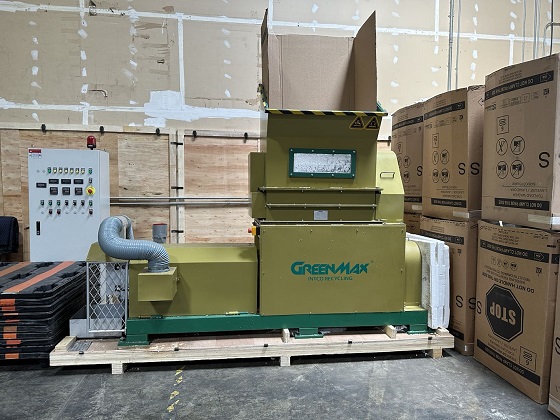
The success of EPS recycling depends on innovative technology. Recycling machines are designed to handle EPS’s unique properties, ensuring efficient processing and high-quality output. GreenMax’s equipment, including compactors and densifiers, transforms EPS into dense blocks or ingots for reuse in manufacturing. These machines are energy-efficient, user-friendly, and capable of processing large quantities, making them ideal for businesses of all sizes.
By adopting advanced recycling machines, companies can comply with environmental regulations and support a cleaner planet. These technologies enable a closed-loop system, where recycled EPS is used to produce new products, reducing the need for virgin materials and promoting sustainability.

Driving Sustainability Through EPS Recycling
With growing global emphasis on environmental responsibility, EPS recycling is a cornerstone of sustainable waste management. Businesses that invest in EPS recycling demonstrate leadership in environmental stewardship while reaping economic benefits. Partnering with providers like GreenMax ensures access to cutting-edge recycling machines that simplify the process and maximize efficiency.
In conclusion, EPS recycling is both an environmental necessity and a strategic business decision. By embracing EPS recycling, companies can minimize waste, reduce costs, and contribute to a sustainable future. Investing in the right recycling machines is the first step toward achieving these goals, ensuring EPS waste is managed responsibly and effectively.