 Select Languange
 English
 Spanish
 Polish
 Japanese
 Italian
 French
EPS Packaging Recycling in Australia: How GREENMAX Leads Sustainable Foam Waste Solutions
When it comes to sustainable waste management, EPS packaging recycling has become a focal point across Australia. Expanded polystyrene (EPS) packaging—used for insulation, packaging of electronics, food containers and more—is lightweight but bulky and often difficult to recycle efficiently. For businesses and municipalities seeking efficient, circular-economy solutions, the brand GREENMAX is emerging as a reliable partner in this space.
Why EPS Packaging Recycling Matters
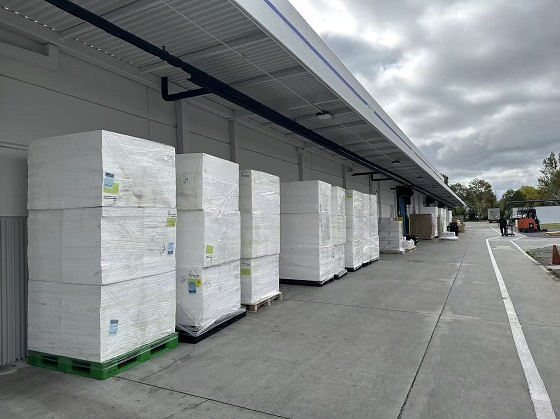
EPS packaging represents a major waste challenge: although technically 100% recyclable, many jurisdictions found that less than 10 % of EPS was being recycled. For instance, in New South Wales it was reported that less than 10 % of EPS was recycled in 2011. Because EPS is voluminous yet lightweight, it drives high costs for collection, transport, and landfill disposal. By implementing EPS packaging recycling programs, companies can reduce landfill volume, lower transport/emissions footprint, and support material reuse. According to an industry overview, EPS has real sustainability credentials when handled correctly: “100% recyclability, insulation, reduced food spoilage, lightweight nature, and reduced fuel consumption” compared to alternatives.
GREENMAX: A Specialist in EPS Recycling Technology
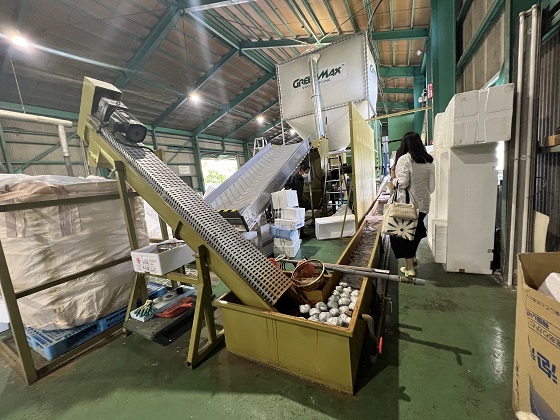
GREENMAX offers specialised machinery and solutions for EPS packaging recycling, including foam compactors, densifiers and hot melters designed to convert EPS waste into valuable blocks or feedstock. In Australia, GREENMAX has served more than 100 businesses and organisations across Australia and New Zealand for over ten years. Their machines help businesses take EPS packaging waste in-house, densify or process it, and thereby reduce disposal costs and create a pipeline for recycled material reuse.
Australian Case Highlight
One practical case demonstrates GREENMAX’s value locally: a home appliance logistics company in Australia deployed the GREENMAX M-C300 polystyrene recycling machine. This machine processes approximately 300 kg/hour of EPS foam waste and allows onsite recycling rather than sending bulky material to landfill. The result: significant cost savings in transport and disposal, reduced landfill burden, and the creation of compact blocks that are easier to handle and potentially reintegrate into supply chains.
Meanwhile, national Australian efforts recognise the urgency: the Australian Packaging Covenant Organisation (APCO) roadmap outlines that business-to-consumer EPS packaging should be phased out or recycled at increasing levels—targets including 80% by July 2023, 90% by July 2024, and 100% by July 2025.
Benefits for Businesses & Sustainability
For businesses handling EPS packaging, partnering with GREENMAX in EPS packaging recycling offers several clear benefits:
Reduced volume and disposal cost: By compacting or melting EPS, waste volumes shrink, reducing shipping and landfill fees.
Improved sustainability credentials: Demonstrating a working EPS circular-economy solution helps meet corporate social responsibility (CSR) and regulatory targets.
Material reuse potential: The densified blocks or processed EPS can feed into new product streams—or at least avoid landfill.
Compliance and readiness: As Australia tightens regulation around EPS and other problematic packaging materials, being ahead via EPS packaging recycling aligns businesses with future rules.
Final Thoughts
EPS packaging recycling is no longer optional—it’s a strategic priority in Australia. With increasing regulatory pressure and resource-recovery targets, companies need robust solutions. GREENMAX offers proven equipment and local case success in Australia, putting businesses in a strong position to convert EPS packaging waste from liability to opportunity. By adopting EPS packaging recycling technologies now, businesses can reduce environmental impact, lower costs, and future-proof their operations.