 Select Languange
 English
 Spanish
 Polish
 Japanese
 Italian
 French
HDPE Recycling (Plastic #2) in Australia: What's Accepted, Process & Equipment | GREENMAX
In Australia, HDPE (high-density polyethylene, plastic #2) shows up everywhere—from milk bottles and detergent containers to industrial drums and pipe offcuts. The good news is that HDPE is one of the more widely recycled plastics, but what gets accepted (and what becomes a contamination headache) can vary by council and collection stream.
Quick answer (Australia):
- Can you recycle HDPE (#2 plastic) in Australia? Often yes—but acceptance depends on your local council or commercial collector, and how clean the material is.
- Is HDPE recycled plastic? HDPE is the original polymer; recycled HDPE (rHDPE) is HDPE that has been collected, sorted, cleaned and reprocessed into flakes or pellets.
- Best results come from: clean, dry HDPE with low contamination and consistent colour.
What is HDPE (Plastic #2) in the Australian waste stream?
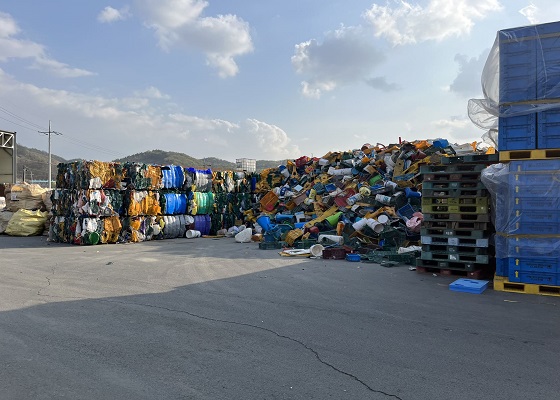
HDPE is a tough, chemical-resistant plastic used for rigid packaging and durable products. In Australian households, it commonly appears as milk bottles, shampoo and detergent bottles, and some food containers. In commercial and industrial settings, HDPE often comes in higher volumes—think drums, crates, pallets, IBC components, and manufacturing offcuts.
From a recycling standpoint, “HDPE” is rarely just one thing. Your output quality depends on how well you separate HDPE from look-alikes (like PP) and how much non-plastic contamination arrives with it (food residue, labels, sand, moisture).
Can you recycle HDPE in Australia? Kerbside vs commercial collection
In Australia, HDPE recycling typically flows through two routes:
Kerbside (household) recycling: rules differ between councils and contractors. Even when HDPE is accepted, dirty containers and mixed materials can reduce recovery.
Commercial & industrial recycling: warehouses, manufacturers and packaging users often have cleaner, higher-volume HDPE streams—making it easier to justify on-site processing or a dedicated pickup.
A practical rule that helps in both streams: keep HDPE empty, clean and dry. If your HDPE feedstock is mostly commercial (drums/offcuts/crates), you’ll usually have more control over sorting and storage—meaning better rHDPE quality and fewer processing surprises.
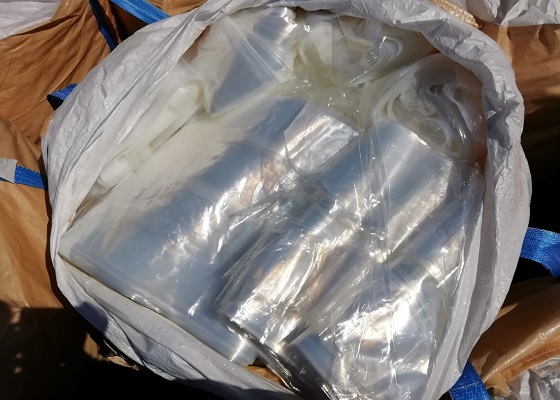
HDPE recycling process in Australia: from collection to flakes or pellets
While each facility runs differently, HDPE recycling generally follows these steps:
1. Collection & staging: kerbside bales from MRFs or commercial loads from warehouses/factories.
2. Sorting: removing non-HDPE plastics (often PP), metals, paper, and heavily contaminated items.
3. Size reduction: shredding or granulating HDPE into consistent pieces for washing and extrusion.
4. Washing: removing labels, residue, oils and grit. Wash quality often decides final pellet value.
5. Dewatering & drying: reducing moisture to protect extrusion stability and pellet quality.
6. Extrusion & pelletising (optional): converting clean flakes into rHDPE pellets for manufacturing.
If your goal is lower transport cost and easier handling, compacting or baling HDPE before it leaves site can be a simple win. If your goal is to create consistent rHDPE output, focus first on sorting discipline, wash performance and moisture control.
Why recycled HDPE can look darker (and what affects rHDPE quality)
Many Australian recyclers notice rHDPE products trending darker than virgin material. This usually comes down to:
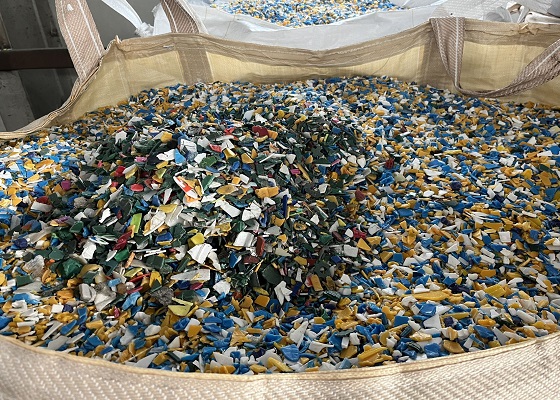
Mixed colours: when natural/white HDPE mixes with coloured packaging, the combined output darkens.
Residual labels and inks: even “small” label fragments can tint and reduce appearance quality.
Cross-contamination: PP mixed into HDPE can impact melt behaviour and mechanical performance.
Moisture: wet flakes can cause unstable extrusion and inconsistent pellets.
If your Australian buyers care about colour and consistency, the fastest improvements usually come from better pre-sorting (natural vs coloured), stronger label removal, and a tighter drying step before pelletising.
Common HDPE recycling challenges for Australian operators
Remote freight costs: bulky HDPE “air” is expensive to move—densifying can reduce freight pain.
Variable feedstock: kerbside HDPE often changes by season and region; commercial streams are more predictable.
Contamination & moisture: outdoor storage or mixed loads quickly reduce output quality.
A simple operating checklist helps: covered storage, clear sorting rules, and quick rejection of heavily contaminated items. This keeps your line stable and protects your final output quality.
HDPE recycling equipment: what makes sense in Australia?
The “right” setup depends on your HDPE form (bottles, drums, offcuts), contamination level, and daily volume. Below is a practical equipment path used by many Australian sites:
Step 1: Compaction or baling (optional but useful): reduce volume for easier storage and cheaper transport.
Step 2: Shredding / granulating: turn rigid HDPE into uniform pieces for stable washing and processing.
Step 3: Washing + dewatering + drying: improve cleanliness and protect downstream extrusion.
Step 4: Extrusion / pelletising (when you want higher-value output): convert flakes into rHDPE pellets.
GREENMAX can help you match equipment to Australian realities—especially when space is limited, labour is tight, or freight costs make densifying and on-site pre-processing attractive.
What is recycled HDPE used for in Australia?
rHDPE flakes and pellets can be used in many durable applications. In Australia, typical end uses include pipes and fittings, crates and pallets, wheelie bins and outdoor products, protective covers, and a range of injection-moulded or extruded items. The cleaner and more consistent your feedstock, the broader your options for higher-value end markets.
FAQs
Is HDPE (#2 plastic) recyclable in Australia?
Often yes, but acceptance depends on your local council’s kerbside rules or the requirements of your commercial collector. Clean, rigid HDPE generally performs best in recycling streams.
Can you recycle HDPE bottles and drums?
Yes—HDPE bottles are common, and drums can also be recycled when they’re properly emptied and handled according to safety and contamination requirements.
Do caps and labels need to be removed?
It depends on the facility. Labels and adhesives can reduce output quality, so removing them (or using a strong washing/label removal step) improves flakes and pellets.
Is HDPE recycled plastic?
HDPE is the base material. Recycled HDPE (rHDPE) is HDPE that has been collected, sorted and reprocessed into flakes or pellets.
What does HDPE recycling produce—flakes or pellets?
Both. Many operations sell cleaned flakes; pelletising is used when you want more consistent output for manufacturing.
What’s the difference between HDPE and PP in recycling?
They’re different polymers with different melt behaviours. Keeping PP out of HDPE (and vice versa) helps protect product quality.
What contamination causes the biggest problems?
Food residue, oils, paper/labels, grit/sand, and moisture are common issues. Better sorting and washing usually deliver the fastest gains.
What equipment do I need for commercial-scale HDPE recycling?
Many Australian sites start with densifying (baler/compactor), then shredding/granulating, followed by washing and drying. Pelletising is added when the business case favours higher-value rHDPE output.
Need an Australian-ready setup?