 Select Languange
 English
 Spanish
 Polish
 Japanese
 Italian
 French
EPS Recycling in New Zealand: A Practical Solution for Polystyrene Foam Waste
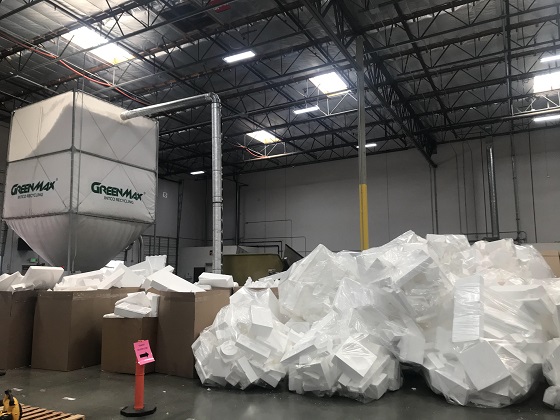
Expanded polystyrene, commonly known as EPS foam or polystyrene foam, is widely used across New Zealand for seafood boxes, cold-chain packaging, appliance protection, furniture packaging, construction insulation and imported goods. It is lightweight, protective and cost-effective, but these same advantages create a major waste problem when EPS is discarded without proper recycling.
For New Zealand businesses, EPS recycling is no longer only an environmental choice. It is also a practical way to reduce landfill disposal, lower transport costs, improve site cleanliness and prepare for a more circular packaging economy. With GREENMAX EPS recycling machines and downstream buy-back support, companies can turn bulky polystyrene foam waste into compact recyclable blocks or ingots that are easier to store, transport and reuse.
New Zealand’s Recycling Policy Background for EPS Foam
New Zealand has been strengthening its approach to waste reduction, resource recovery and circular economy development. The country’s waste and resource efficiency strategy sets out priorities such as reducing waste disposal per person, increasing reuse and recycling, and minimising emissions and environmental harm from waste and litter. Learn more from the Ministry for the Environment.
Plastic packaging is also part of New Zealand’s product stewardship direction. Product stewardship shifts responsibility for a product’s life cycle and end-of-life management towards manufacturers, importers, retailers and users. Plastic packaging is one of the declared priority products for product stewardship under the Waste Minimisation Act 2008. View New Zealand’s product stewardship information.
For polystyrene packaging, New Zealand has already introduced restrictions on some hard-to-recycle and single-use plastic products. From 1 October 2022, it became illegal to provide, sell or manufacture certain polystyrene takeaway food and beverage packaging and expanded polystyrene food and beverage retail packaging in Aotearoa New Zealand. However, EPS used to transport cold items such as medicines or seafood, and protective EPS packaging for electronics and homeware, was not included in that ban because alternatives can be challenging for these sectors. Read the plastic products ban guidance.
This policy direction is important for companies that still generate EPS waste from legitimate commercial uses. Even when EPS packaging is not banned, businesses still need a reliable way to manage it. New Zealand’s shift away from problematic plastics supports a low-waste, low-emissions economy and encourages businesses to improve their packaging waste management.
Why EPS Foam Needs to Be Recycled in New Zealand
EPS is highly recyclable when it is collected, sorted and processed correctly, but it is difficult to manage through normal waste channels. EPS takes up a large amount of landfill space, weighs very little, and cannot go into standard kerbside recycling bins in New Zealand. See EPS recycling information from Plastics New Zealand.
EPS foam is often described as a problematic plastic because it is bulky, easily broken into small pieces, difficult to collect through regular recycling systems, and inefficient to transport when it remains loose. For businesses that generate regular EPS packaging waste, these characteristics can quickly create operational and environmental challenges.
For New Zealand companies, unmanaged EPS foam waste can cause several practical problems:
EPS fills bins, skips and storage areas quickly.
Loose foam is easily blown around yards, loading docks and collection points.
Transporting uncompressed foam means paying to move mostly air.
Fish boxes and cold-chain EPS can be wet, bulky and difficult to store.
Landfill-focused waste handling may become more expensive as New Zealand expands and increases its waste disposal levy.
Recycling EPS foam helps businesses reduce waste volume at source, improve transport efficiency, recover material value and demonstrate a more responsible approach to plastic packaging waste.
Main Sources of EPS Waste in New Zealand
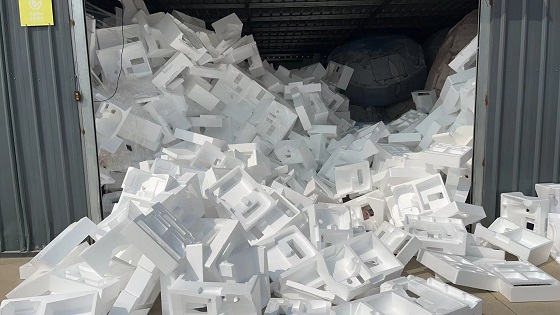
EPS foam waste is generated in many New Zealand industries. Because it is widely used for insulation, protection and temperature control, companies across different sectors need a practical way to collect, compact and recycle it.
Seafood and Fish Box Recycling
EPS fish boxes are widely used because they are lightweight, insulating and suitable for chilled products. Seafood markets, processors, wholesalers and logistics companies often produce large volumes of EPS boxes every day.
Appliance and Electronics Packaging
Retailers, importers, distribution centres and logistics companies receive EPS protective packaging from televisions, refrigerators, washing machines, computers and other goods.
Construction and Insulation Offcuts
Building and construction sites may generate EPS insulation board offcuts or packaging waste. These materials can be bulky and difficult to remove efficiently without on-site volume reduction.
Furniture and Homeware Packaging
Furniture retailers and warehouses often handle EPS corner protectors, moulded inserts and packaging blocks from imported products.
Councils and Waste Management Facilities
Resource recovery centres, transfer stations and recycling companies may collect EPS from households and commercial customers, but they need compacting or densifying equipment to make recycling economically practical.
GREENMAX EPS Recycling Machines for New Zealand Businesses
GREENMAX provides a complete EPS recycling solution, including foam crushing, compacting, hot melting, material handling and downstream buy-back support. The goal is simple: reduce the volume of loose EPS foam, produce dense recyclable blocks or ingots, and help businesses move from disposal to recycling.
1. GREENMAX APOLO Series Cold Compactor
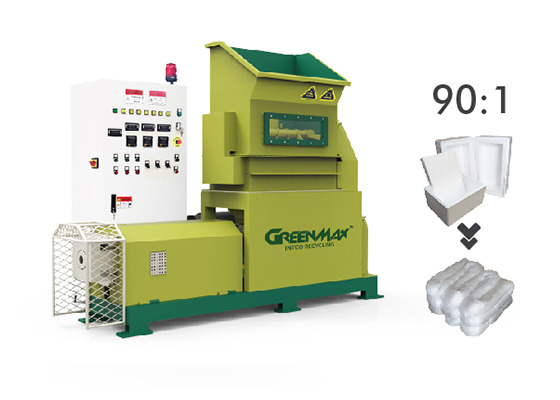
The GREENMAX APOLO Series cold compactor uses screw compression technology to crush and compact waste EPS into dense blocks without heating. It is suitable for EPS, XPS, EPP and related foam materials. The machine can achieve a high volume reduction ratio, helping businesses reduce storage and transport costs. View GREENMAX polystyrene compactors.
The APOLO Series is suitable for companies that need a stable and practical solution for daily EPS packaging waste. It can also be used for EPS fish boxes and humid foam materials, making it a practical choice for seafood-related businesses.
This option is suitable for:
Seafood companies and fish box recycling
Retailers and appliance warehouses
Distribution centres
EPS packaging manufacturers
Businesses that prefer mechanical compaction without hot melting
2. GREENMAX MARS Series Hot Melter
The GREENMAX MARS Series hot melter crushes, heats and extrudes EPS foam into dense hot-melt blocks. Compared with loose foam, the output is much denser and easier to store, transport and sell into downstream recycling channels. View GREENMAX MARS hot melting machines.
This option is suitable for:
High-volume EPS recyclers
Foam manufacturers
Large warehouses
Companies seeking higher-density output
Businesses planning long-term EPS recycling operations
3. Foam Crusher and Supporting Equipment
For companies handling irregular EPS shapes, large blocks or mixed packaging pieces, foam crushing can be used before compacting or melting. This makes the feeding process more stable and improves recycling efficiency.
4. GREENMAX Buy-Back Service for Densified EPS
A key advantage of working with GREENMAX is not only the machine, but also the downstream recycling channel. GREENMAX can support businesses by purchasing compressed or densified polystyrene blocks for reprocessing.
In New Zealand, GREENMAX has worked with local recycling companies and supported downstream purchasing channels for densified polystyrene blocks. This helps businesses build a more complete recycling model instead of simply reducing waste volume. Read a GREENMAX New Zealand recycling case.
How the GREENMAX EPS Recycling Process Works
A typical EPS recycling process for New Zealand businesses can follow these steps:
1. Separate EPS foam at source: Keep EPS foam separate from general waste, cardboard, food waste, tape-heavy material and other plastics.
2. Keep the material as clean as possible: Clean, separated EPS is easier to recycle and more attractive for downstream reuse. Fish boxes should be emptied before processing.
3. Crush and compact or densify the EPS: Loose EPS is fed into a GREENMAX compactor or densifier. The machine reduces the volume dramatically and produces compact blocks or ingots.
4. Store compacted material efficiently: Densified EPS takes up far less space than loose foam, making it easier to store in warehouses, yards or recycling facilities.
5. Arrange collection or buy-back: Once enough compacted EPS blocks are produced, they can enter GREENMAX’s downstream recycling and buy-back channel.
6. Reprocess into new plastic products: The recovered EPS can be pelletised and used in manufacturing, helping keep material in circulation instead of sending it to landfill.
Business Benefits of EPS Recycling
For New Zealand companies that generate regular EPS foam waste, a GREENMAX recycling machine can bring both environmental and operational benefits.
Lower Transport and Storage Costs
Compacting or melting EPS reduces its volume significantly, so businesses need fewer bins, fewer collections and less storage space.
Improved Site Management
Loose EPS can easily scatter in wind or break into small pieces. On-site densification keeps foam waste under control and helps maintain a cleaner working environment.
Better Landfill Diversion
Recycling EPS supports New Zealand’s broader direction towards more reuse, recovery and resource efficiency.
Potential Material Value Recovery
With GREENMAX buy-back support, compacted EPS is not just waste. It can become a recyclable commodity.
Stronger Sustainability Performance
Businesses can show customers, councils and supply-chain partners that they are actively reducing problematic plastic waste and improving packaging waste management.
Why Choose GREENMAX for EPS Recycling in New Zealand?
GREENMAX is the polystyrene recycling machine brand of INTCO Recycling and provides cold compactors, hot melters, foam crushers and other recycling equipment for EPS, EPE, EPP and related packaging materials. Visit GREENMAX Australia and New Zealand.
For New Zealand customers, GREENMAX can provide:
EPS recycling machine selection based on waste volume and material type
Cold compactors for EPS fish boxes and general packaging
Hot melters for high-density output and large-volume recycling
Machine customisation according to site layout and budget
Technical support and recycling process advice
Downstream buy-back support for compressed EPS blocks or ingots
Whether you operate a seafood business in Auckland, a distribution centre in Christchurch, a recycling facility in Wellington or a packaging warehouse serving the wider New Zealand market, GREENMAX can help turn EPS foam waste into a manageable, recyclable resource.
Conclusion: Build a Smarter EPS Recycling System in New Zealand
EPS foam will continue to appear in many New Zealand supply chains, especially where insulation, product protection and lightweight packaging are required. The challenge is not simply whether EPS exists, but how businesses manage it after use.
By installing a GREENMAX EPS compactor or densifier, New Zealand companies can reduce bulky foam waste at source, lower logistics costs, improve recycling performance and create a more practical route from waste EPS to reusable plastic material.
FAQ About EPS Recycling in New Zealand
Is EPS foam recyclable in New Zealand?
Yes. EPS foam is recyclable when it is properly collected, separated and compacted or densified. However, EPS cannot be placed in standard kerbside recycling bins in New Zealand, so businesses need a dedicated recycling process or specialist collection route.
Why is EPS difficult to recycle through normal waste systems?
EPS is lightweight and bulky, which makes storage and transport inefficient. It can also crumble into small pieces if it is not managed properly, creating litter and contamination issues.
What GREENMAX machine is suitable for EPS fish boxes?
The GREENMAX APOLO Series cold compactor is suitable for EPS fish boxes because it can compact foam without heating and can work in humid environments. It reduces the volume of loose EPS foam and produces compact recyclable blocks.
What is the difference between an EPS compactor and an EPS hot melter?
An EPS compactor compresses foam mechanically into dense blocks without heating, while an EPS hot melter crushes and melts foam into higher-density ingots. The right choice depends on waste volume, material condition, site requirements and downstream recycling needs.
Does GREENMAX buy back compressed EPS blocks?
GREENMAX can support downstream purchasing channels for compressed or densified EPS blocks. This helps businesses build a more complete recycling model by connecting on-site volume reduction with material reuse.
Which New Zealand industries need EPS recycling?
Seafood processors, fish markets, cold-chain logistics companies, appliance retailers, electronics importers, furniture warehouses, construction companies, councils and waste management facilities can all benefit from EPS recycling.