 Select Languange
 English
 Spanish
 Polish
 Japanese
 Italian
 French
EPP Foam Recycling in Australia and New Zealand: Industry Trends, Packaging Challenges and the GREENMAX Solution
EPP foam packaging is becoming more common across Australia and New Zealand because it protects high-value goods while keeping logistics lightweight. From automotive parts and electronics to cold-chain boxes and reusable transport packaging, expanded polypropylene (EPP) is valued for impact resistance, insulation and durability. The challenge appears after use: EPP is light, bulky and difficult to move economically unless it is reduced in volume at the source.
For manufacturers, distributors, retailers, seafood processors, automotive suppliers and logistics companies, EPP foam waste is no longer just a disposal issue. It is a cost-control, space-management and compliance issue. GREENMAX helps businesses turn loose EPP packaging into dense blocks or ingots through machine densification, then supports downstream recycling with a buy-back option for qualified EPP foam blocks or ingots.
EPP Foam Industry Development Trends in Australia and New Zealand
The EPP foam industry is moving from single-use protective packaging toward reusable, recoverable and data-driven packaging systems. Several trends are especially relevant for businesses in Australia and New Zealand:
• Growth in cold-chain and fresh food logistics. EPP boxes are used for seafood, meal kits, pharmaceuticals and temperature-sensitive products because they are lightweight, insulated and durable.
• Higher demand for reusable transport packaging. EPP trays, dunnage and returnable boxes can survive repeated handling, which supports closed-loop logistics.
• More pressure from packaging policies and corporate ESG goals. Packaging placed on the market is increasingly expected to be recyclable, reusable or recoverable.
• Rising transport and storage costs. Bulky foam is expensive to ship loose, so businesses are looking for on-site volume reduction before collection.
• More value placed on clean, sorted recycled material. Clean EPP blocks or ingots are easier to sell than mixed loose packaging waste.
These trends create a simple business case: companies that generate steady EPP foam waste can reduce handling costs, improve sustainability performance and create a potential recycling revenue stream by compacting material before it leaves the site.
Government Policy Signals: Why Recycling EPP Packaging Matters
In Australia, packaging regulation is moving toward a circular economy approach. The Australian Government notes that environment ministers agreed to reform packaging regulation so packaging is designed to be recovered, reused, recycled and safely reprocessed. APCO also states that Australia's National Packaging Targets apply to packaging made, used and sold in Australia, although the 2025 targets will not be fully met and work is continuing toward revised targets.
In New Zealand, plastic packaging has been declared one of six priority products for product stewardship under the Waste Minimisation Act framework. The Ministry for the Environment also continues to address hard-to-recycle and single-use plastics. Although the 2025 deadline for one tranche of PVC and polystyrene food and drink packaging phase-outs was removed, the policy direction remains clear: packaging must move toward better reduction, reuse, recycling and recovery.
EPP is not the same material as EPS, but it still belongs in the broader plastic packaging conversation. For businesses that use EPP packaging, the safest long-term strategy is to prove that the material can be collected, densified and sent to a real recycling outlet.
Why Foam Packaging Is Produced in the First Place
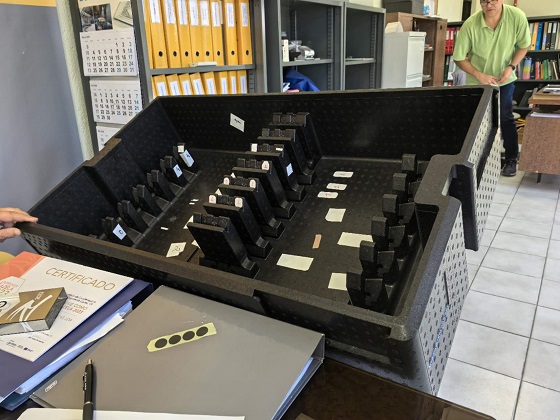
Foam packaging exists because modern supply chains need protection. Products move through warehouses, trucks, ports, couriers and retail channels. Without cushioning, insulation and shock absorption, businesses face product damage, returns, replacement costs and customer complaints.
• Protection: EPP absorbs impact and helps prevent breakage during handling and transport.
• Temperature control: insulated EPP boxes help maintain product quality in cold-chain deliveries.
• Lightweight logistics: EPP reduces package weight compared with many rigid alternatives.
• Reusable design: many EPP parts and boxes can be reused multiple times before recycling.
• Custom moulding: EPP can be shaped for automotive, electronics, appliances and medical packaging.
The issue is not that foam packaging has no purpose. The issue is that loose foam takes up too much space after use. A recycling plan must keep the performance benefits of EPP while solving the end-of-life problem.
The Main Pain Points of EPP Foam Waste
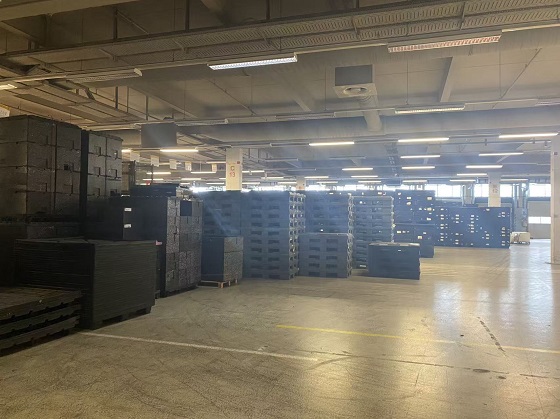
• Bulky storage: loose EPP quickly fills cages, bins and warehouse corners.
• High transport cost: a truckload of loose foam may contain very little actual plastic by weight.
• Limited collection options: recyclers often prefer clean, densified material rather than mixed loose waste.
• Contamination risk: labels, tape, dirt, food residue and mixed foam grades can reduce buy-back value.
• Internal labour cost: staff spend time bagging, moving and storing material instead of focusing on core operations.
• Customer and regulator expectations: buyers increasingly ask how packaging waste is managed.
For high-volume EPP users, landfill is usually the least strategic option. It removes material from the site, but it does not reduce long-term compliance risk, recover material value or support a circular packaging story.
GREENMAX EPP Foam Recycling Solution
GREENMAX provides an integrated EPP foam recycling route for businesses that generate regular volumes of packaging waste.
1. Material assessment: GREENMAX reviews photos, monthly volume, contamination level and site conditions to confirm whether EPP foam can be densified and recycled.
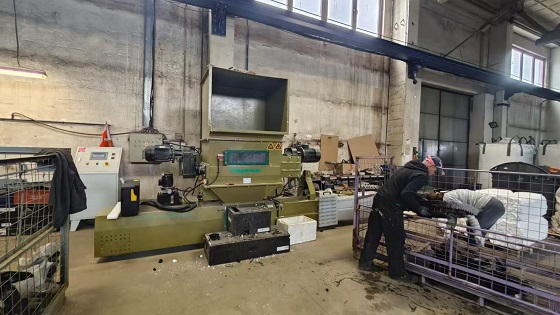
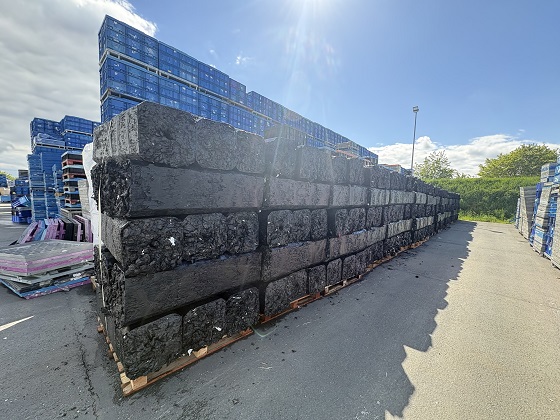
2. Machine volume reduction: GREENMAX foam compactor or densifier processes loose EPP into dense, stackable blocks or ingots. This helps reduce storage space and collection frequency.
3. Operational setup: the solution can be matched to the customer's waste volume, labour arrangement and available floor space. Staff can feed sorted EPP packaging directly into the machine.
4. Buy-back route: GREENMAX can buy back qualified EPP foam blocks or ingots. The reference price is typically USD 300-500 per tonne, subject to material quality, density, colour, moisture, contamination, quantity, location and market conditions.
5. Closed-loop value: compacted EPP can move into downstream recycling instead of being treated as a low-value disposal problem.
For Australian and New Zealand businesses, this approach is practical because it solves the biggest barrier first: volume. Once EPP is densified into blocks or ingots, the material is easier to store, easier to transport and easier for recycling buyers to handle.
Who Can Benefit Most?
• Seafood processors, meal-kit suppliers and cold-chain distributors using EPP boxes.
• Automotive parts suppliers using moulded EPP trays or dunnage.
• Electronics and appliance distributors receiving EPP protective inserts.
• Retail distribution centres and 3PL warehouses managing packaging from multiple suppliers.
• Manufacturers with clean EPP offcuts or rejected moulded parts.
FAQ About EPP Foam Recycling in Australia and New Zealand
Is EPP foam recyclable in Australia and New Zealand?
Yes. EPP is expanded polypropylene, a thermoplastic material that can be processed into reusable blocks or ingots when it is clean, dry and separated from other waste.
What types of EPP waste can GREENMAX handle?
Typical materials include EPP transport boxes, protective inserts, automotive packaging trays, fish or cold-chain boxes, and clean moulded EPP parts.
How does a GREENMAX machine reduce EPP foam volume?
The machine compresses bulky EPP into dense, stackable blocks or ingots. This reduces storage space, lowers transport frequency and makes the recycled material easier to handle.
Can GREENMAX buy back EPP blocks or ingots?
GREENMAX can arrange buy-back of qualified EPP foam blocks or ingots. A typical reference range is USD 300-500 per tonne, depending on quality, colour, density, moisture level and market conditions.
Why not just send loose EPP foam to landfill?
Loose EPP is lightweight but bulky, so landfill and transport costs can be high. Recycling also helps businesses respond to packaging sustainability targets and customer expectations.
How do we start an EPP recycling project?
Start by estimating monthly EPP volume, checking contamination levels, taking photos of the material, and discussing machine size, site layout and collection requirements with GREENMAX.